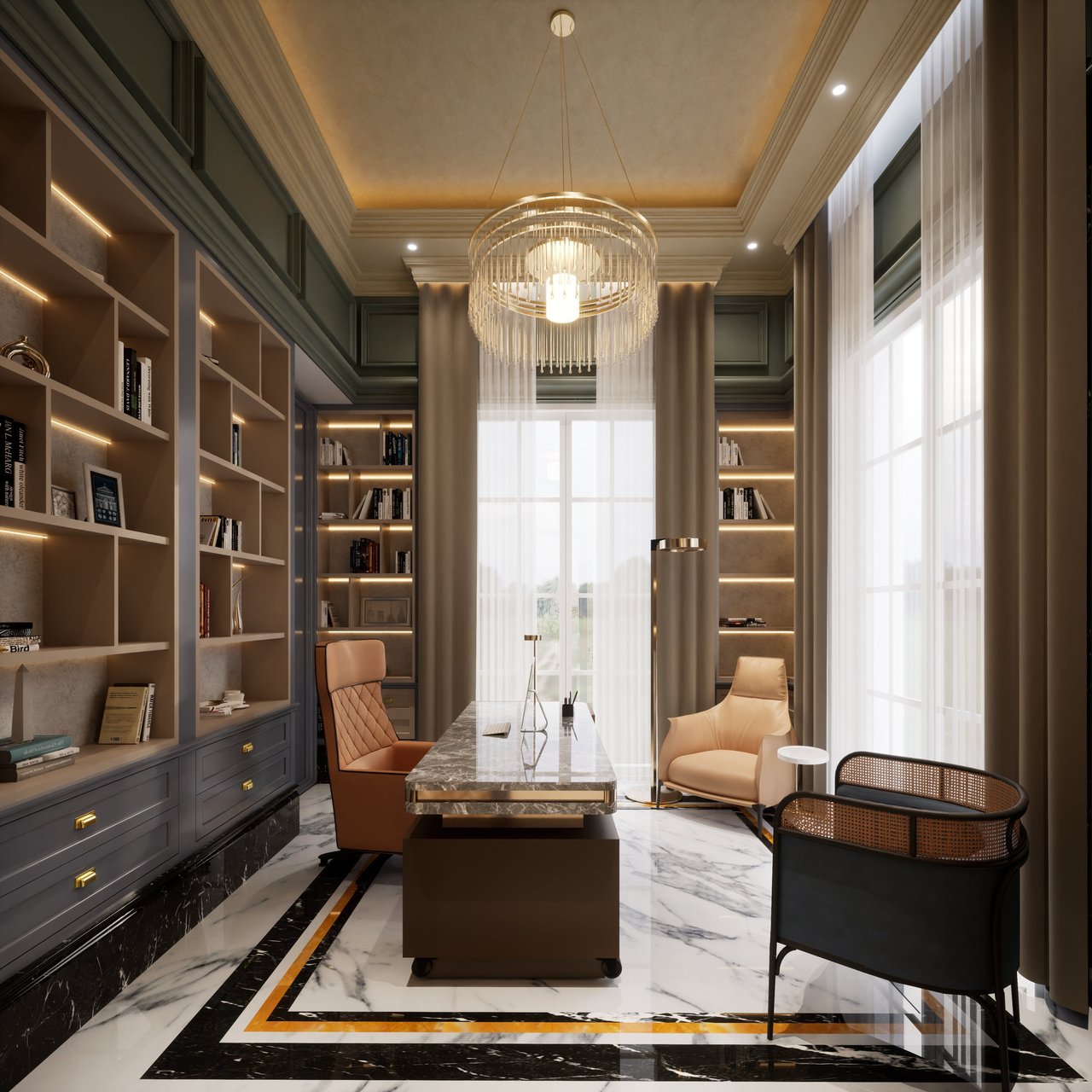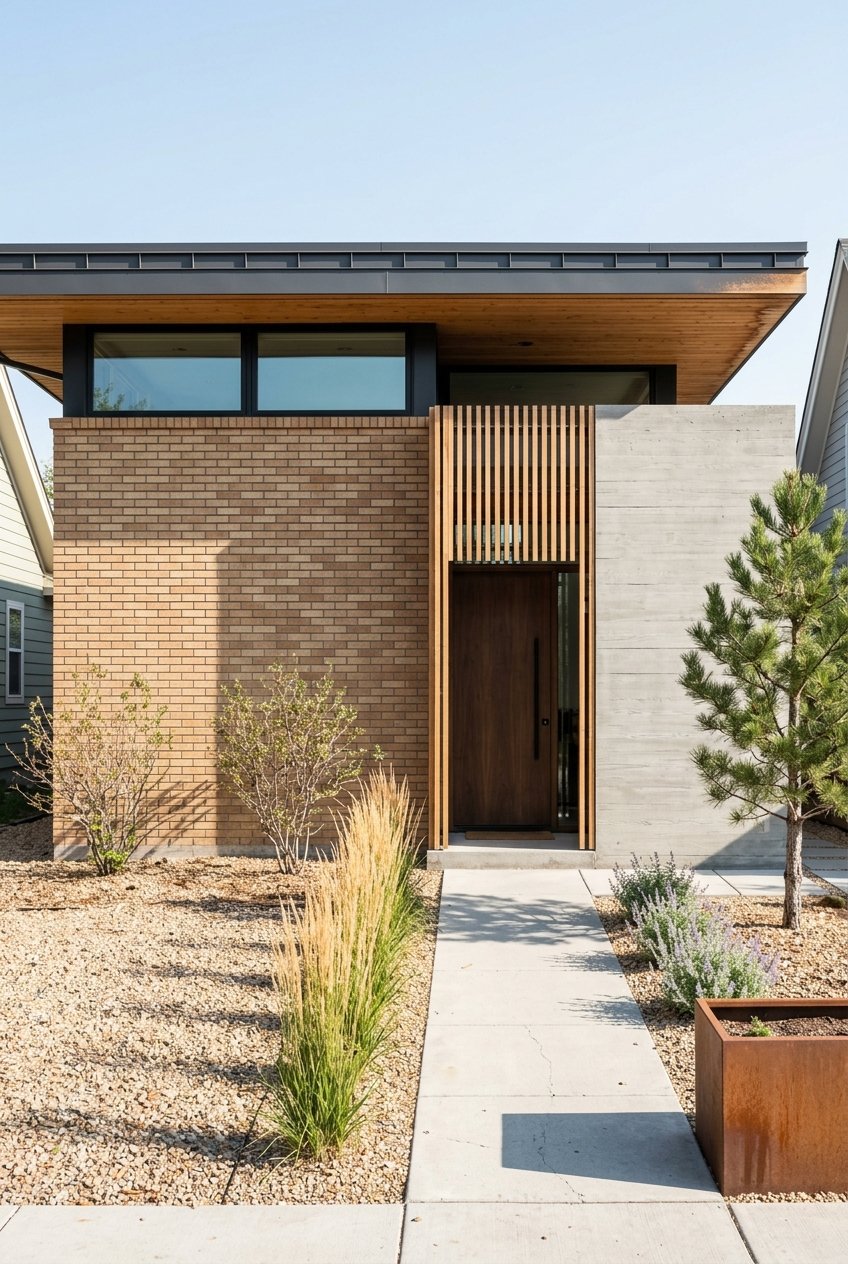
If you are drawn to Hilltop, you are probably not just shopping for square footage. You are also responding to how a home feels from the street, how light moves through the rooms, and how much flexibility you may have to update it over time. In Hilltop, architecture is a major part of the buying decision, and understanding the neighborhood’s mix of styles can help you choose with more clarity. Let’s dive in.
Hilltop Has More Than One Look
One of the most important things to know about Hilltop is that it is not a one-style neighborhood. According to the Denver Public Library’s Hilltop history overview, the area developed in layers shaped by broader economic periods and city planning.
That layered history is still visible today. In Hilltop, you can find early 20th-century revival homes, postwar modern designs, International Style residences, and newer infill, often within a relatively small area. For buyers, that means your best fit depends less on the neighborhood name alone and more on the architectural era and renovation potential of each property.
Traditional Hilltop Homes
Many buyers picture Hilltop through its more traditional homes. These houses often reflect styles like Tudor Revival, Colonial Revival, and Mission or Spanish Colonial Revival, with details identified in Historic Denver’s Architectural Styles in Colorado guide.
What Traditional Homes Look Like
Traditional Hilltop homes often emphasize:
- Symmetry
- Brick or stucco exteriors
- Steeper or more formal rooflines
- Decorative entries
- Smaller window openings compared with later modern homes
- Chimneys, masonry details, and ornamental elements
Historic Denver notes that Tudor Revival homes often feature steep roofs, brick, tall narrow windows, and prominent chimneys. Colonial Revival homes tend to be more symmetrical, with classical detailing and multipane windows. Mission and Spanish Colonial Revival homes often use stucco walls, low tile roofs, deep-set openings, balconies, and ironwork.
What Traditional Homes Mean for Buyers
If you love detail, structure, and a more enclosed layout, these homes may be the strongest match. They often offer a clear sense of room separation and a formal flow that some buyers still prefer.
They can also deliver strong architectural character. In many cases, the exterior does much of the visual work, with rooflines, entry features, and masonry giving the home a distinct identity even before you step inside.
The tradeoff is that layout changes may be less straightforward. Based on the style characteristics above, creating an open-concept plan may require more structural and exterior work than buyers first expect, especially when the original form is part of the home’s appeal.
Modern And Mid-Century Hilltop
Hilltop also has a strong modern side, and that is one of the neighborhood’s most interesting features. The National Register nomination for the Joshel House identifies Hilltop as a principal Denver center for Modern Movement architecture.
That matters if you are looking for a home with cleaner lines, more glass, and a stronger connection between indoor and outdoor space. In Hilltop, modern architecture is not an exception. It is part of the neighborhood’s identity.
What Modern Homes Look Like
Historic Denver describes Mid-Century Modern homes as often having:
- Low or flat roofs
- Wide eaves
- Post-and-beam construction
- Clerestory or full-length windows
- Easy access to outdoor areas
The Joshel House nomination also highlights International Style features like large areas of glazing, cantilevers, flat roofs, and little to no ornament. These design choices often create a very different living experience from the older revival houses nearby.
What Modern Homes Mean for Buyers
For many buyers, the biggest advantage is light and flow. Modern and mid-century homes in Hilltop often feel more open, less formal, and more visually connected to the lot.
That design language shows up in notable Hilltop examples. The Groves House at 330 Birch Street uses round corners, a dome, flat roofs, and a roof terrace. The Grossman residence at 460 Glencoe Street features a flat roof line, overhanging eaves used as sun shades, a carport, and clerestory windows.
If your lifestyle leans toward open sightlines, daylight, and a less segmented floor plan, these homes may feel more aligned from the start. That said, the exact experience still depends on how the property has been maintained or remodeled over time.
Hilltop Architecture By Example
A few documented homes help show just how wide Hilltop’s range can be.
Revival And Traditional Examples
The George Cranmer residence at 200 Cherry Street dates to 1916 and reflects Mediterranean Revival design, with stucco, a tile roof, arched windows, decorative ironwork, and an arcaded loggia.
The Jacob V. Schaetzel residence at 100 Cherry Street was built between 1936 and 1940 and includes a two-story brick form, bay window, wall dormer, and stone entryway. Together, these homes show the formal and detail-driven side of Hilltop.
Modern Examples
On the modern side, the Joshel House at 220 South Dahlia Street stands out as a highly important International Style residence in the neighborhood. Its ribbon windows and glass curtain walls reflect the strong design shift that took hold in parts of Hilltop after the earlier revival era.
For buyers, the takeaway is simple: in Hilltop, two homes on different blocks can offer very different ways of living, even if they share similar lot sizes or price points. Architecture is not just visual here. It shapes layout, light, renovation options, and long-term fit.
Renovation And Overlay Rules
For many buyers, the most practical question is not which style they prefer. It is how much they can change after closing.
That is where the Hilltop Heritage Conservation Overlay District, CO-1 becomes important. The City and County of Denver explains in its conservation overlay guidance that conservation overlays are intended to conserve or revitalize areas with distinctive identity and may apply to vacant lots, new builds, additions, and exterior remodels.
Why The Overlay Matters
If a property is within CO-1, the overlay can affect exterior design decisions in ways many buyers do not expect. Denver’s zoning guidance says no zoning permit can be issued unless the work meets the overlay standards.
The same guidance also states that zone lots existing on July 21, 2000 may be subdivided only if the resulting lots are at least 75 feet wide at the setback line and at least 9,300 square feet. If your long-term plan involves splitting a lot, building new, or creating a major addition, this is worth confirming early.
What The Overlay Does Not Regulate
There is also good news for buyers who want to personalize a home. According to Denver’s guidance, conservation overlays do not regulate interiors, interior paint, or routine maintenance.
That creates meaningful flexibility. If you want to update kitchens, baths, systems, or interior finishes while preserving the street-facing character of the home, Hilltop may offer a strong balance between architectural identity and interior renovation freedom.
How To Match Style To Lifestyle
When I help buyers think through design-driven neighborhoods, I always come back to alignment. The right home is not just the one that photographs well. It is the one that supports how you want to live and what you may want to change later.
Choose Traditional If You Want Character
A traditional Hilltop home may be the better fit if you want:
- Formal room separation
- Strong exterior character
- Masonry, roofline, and entry detail
- A more classic architectural feel
These homes can be especially compelling if you value craftsmanship and presence from the street.
Choose Modern If You Want Light
A modern or mid-century Hilltop home may be the better fit if you want:
- More natural light
- Cleaner lines
- Open visual flow
- Stronger indoor-outdoor connection
These homes often align well with buyers who prioritize how a space lives day to day.
Confirm Rules If You Want To Build
If you are considering a major addition, exterior redesign, or lot split, confirm whether the home is in CO-1 before getting attached to a vision. The overlay can shape what is possible even when the underlying zoning might otherwise seem more flexible.
What Buyers Should Notice On Tour
When you walk a Hilltop property, try to look beyond finishes alone. Pay attention to the architectural framework, because that is often what drives both livability and future project costs.
A simple checklist can help:
- Does the layout feel naturally aligned with how you live now?
- Is the home’s appeal coming more from its exterior character or its interior openness?
- Would your ideal renovation be mostly interior, or would it require exterior changes?
- If exterior changes matter to you, have you confirmed whether overlay rules apply?
- Do later updates feel consistent with the original design, or do they fight against it?
In a neighborhood like Hilltop, these questions can save you time and help you make a more confident decision.
The Bottom Line For Hilltop Buyers
Hilltop stands out because it offers multiple architectural identities in one neighborhood. You can find revival-era character, postwar modernism, and newer infill, all shaped in part by lot patterns and conservation overlay rules.
For buyers, that means architecture is not a side note. It affects how a home feels, how it functions, and how easily you can adapt it over time. If you approach Hilltop with a clear sense of your preferred style, your renovation goals, and the practical limits of exterior changes, you will be in a much stronger position to buy well.
If you want help evaluating Hilltop homes through both a design and strategy lens, Nick Bruce can help you narrow the options and move with confidence.
FAQs
What architectural styles are common in Hilltop, Denver?
- Hilltop includes a mix of early 20th-century revival homes, postwar modern houses, International Style properties, and newer infill, rather than one single dominant style.
What do traditional Hilltop homes usually offer buyers?
- Traditional Hilltop homes often offer more formal layouts, stronger room separation, and distinctive exterior details like masonry, chimneys, decorative entries, and steeper rooflines.
What makes modern Hilltop homes appealing to buyers?
- Modern and mid-century Hilltop homes often appeal to buyers because they typically emphasize natural light, larger areas of glass, flatter rooflines, and a more open visual flow.
What is the Hilltop Heritage Conservation Overlay District?
- The Hilltop Heritage Conservation Overlay District, or CO-1, is a Denver conservation overlay that can affect vacant lots, new construction, additions, and exterior remodels by adding design rules beyond base zoning.
Does the Hilltop overlay regulate interior renovations?
- No. Denver’s conservation overlay guidance says overlays do not regulate interiors, interior paint, or routine maintenance.
What should buyers verify before planning a major Hilltop renovation?
- Buyers should verify whether the property is within CO-1 and understand how overlay standards may affect additions, lot division, massing, rooflines, and exterior design before finalizing renovation plans.