Moving to Denver often sounds simple until you start comparing neighborhoods. You want outdoor access, a connected location, and a home that fits how you actually live, but those things do not always show up in the same place. If Washington Park is on your shortlist, it helps to understand how the area works day to day before you make a move. Let’s dive in.
Washington Park at a Glance
Washington Park sits in south-central Denver and centers around one of the city’s best-known parks. According to Denver Public Library, the park was laid out in 1889, and nearby residential development was underway by 1911. That long timeline still shapes the feel of the area today.
For relocation buyers, it helps to think of Washington Park as more than a single residential pocket. Visit Denver groups it with Historic South Gaylord and South Pearl, which reflects how many people experience the area in real life. You are not just choosing a neighborhood. You are choosing a park-and-corridor lifestyle with access to outdoor space, local retail, and established streets.
Why People Relocate to Washington Park
The biggest draw is simple: the park is not just nearby, it defines the neighborhood. Washington Park includes two lakes, the largest meadow in Denver’s park system, a remnant of the City Ditch, formal summer flower beds, and the 1913 Boathouse on Smith Lake, according to Denver Public Library. That kind of public space changes how a neighborhood feels every day.
Visit Denver notes that the park supports walking, jogging, biking, paddle boating, yoga, volleyball, and tennis. Denver Public Library also notes that Smith Lake continues to serve as a fishing and boating venue, and that the Washington Park Recreation Center added an indoor pool in 1971. If your quality of life depends on easy outdoor access, this is one of the clearest reasons Washington Park stays high on relocation shortlists.
What Daily Life Feels Like
Washington Park tends to appeal to buyers who want a central Denver location without a high-rise environment. The neighborhood is known for a calmer, low-rise setting that still connects you to city amenities. That balance is a big part of its appeal.
In practical terms, this is a place where recreation can be part of your normal routine instead of a weekend plan. A walk around the park, a stop along a nearby shopping street, or a short transit connection into other parts of Denver can all fit into the same day. For many relocation buyers, that combination feels more livable than a purely urban or purely residential setting.
South Gaylord and South Pearl Access
Washington Park’s appeal extends beyond the park itself. Historic South Gaylord, about four blocks west of the park, is one of Denver’s oldest shopping and dining districts, according to Visit Denver. Many of its storefronts were adapted from late-19th-century houses, which adds to the district’s distinct character.
Nearby South Pearl Street offers another established commercial corridor. Visit Denver describes it as a historic shopping and dining street with galleries, specialty shops, wine and cocktail bars, and local dining. For a relocation buyer, that means you are not relying on one amenity node. You have multiple nearby destinations that support errands, dining, and day-to-day variety.
Commuting and Getting Around
If you are relocating for work or want flexibility across Denver, access matters as much as atmosphere. Washington Park benefits from nearby transit connections that support movement across the city without giving up neighborhood character. That can be especially useful if you are still learning Denver’s layout.
Visit Denver notes that RTD Route 0 on Broadway and Route 3 on Alameda Avenue serve the area. Nearby rail or transfer points include I-25/Broadway Station and Alameda Station. South Pearl is also reachable from Union Station via the E Line to Louisiana & Pearl, which gives helpful context if you expect to move between central Denver destinations.
Washington Park Housing Stock
One of the most important questions for relocation buyers is whether the housing matches the lifestyle. In Washington Park, the answer is usually yes, but the mix matters. This is not a condo-dominant neighborhood.
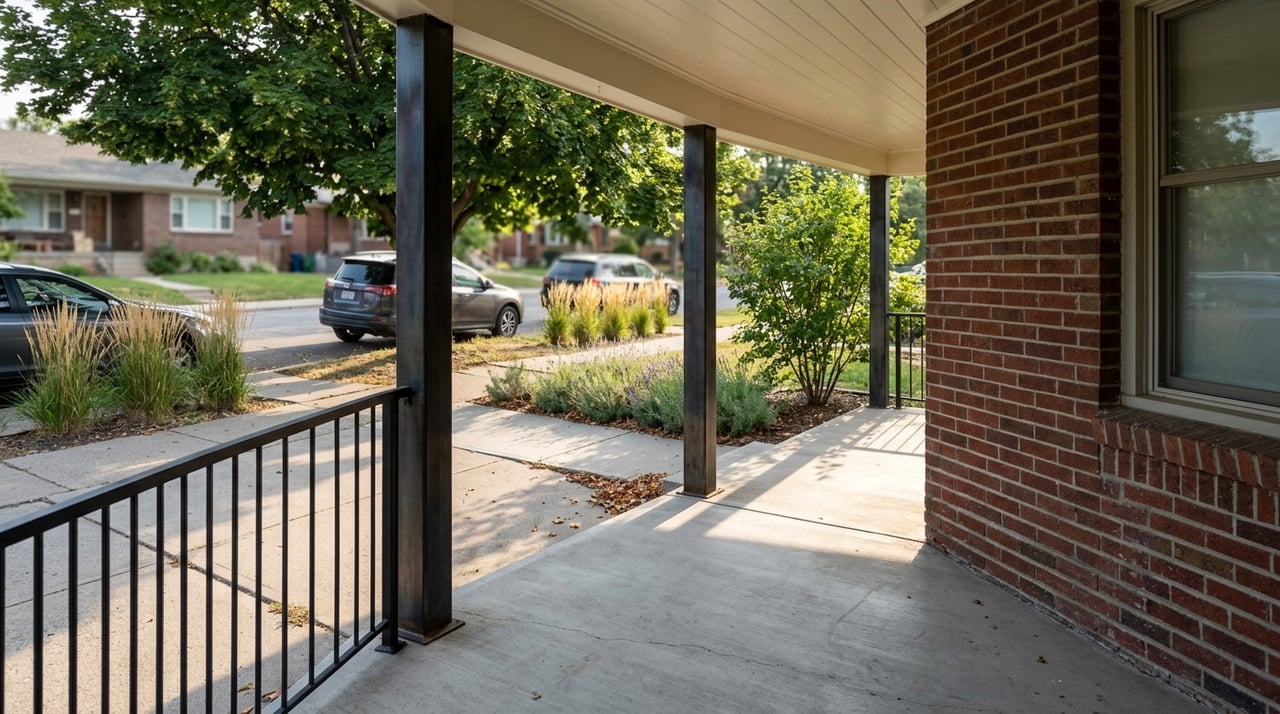
Historic Denver’s broader city context places Washington Park among south-central Denver neighborhoods with many small-scale single-family homes built between 1905 and 1929. Those same materials note that Denver’s middle-class housing history included single-family homes, duplexes, and apartments. In Washington Park, that points to an older housing base with some variety, rather than a one-format market.
Historic Denver also identifies Washington Park as an area with notable infill clustering during the 2003 to 2014 period. In practical terms, you may see older detached homes, selective newer infill, and some multi-family options near corridors. If you value established residential character but still want some newer inventory in the mix, that blend can be appealing.
What Relocation Buyers Should Notice
When you tour Washington Park, it helps to look beyond the headline appeal. Yes, the park is beautiful and active, but the stronger question is whether the full area aligns with your routine. The best neighborhood fit comes from matching your day-to-day habits with what the area actually supports.
A few things to pay attention to include:
- How often you expect to use the park for exercise or downtime
- Whether you want quick access to South Gaylord or South Pearl
- How important transit connections are to your work or lifestyle
- Whether you prefer older homes, newer infill, or a mix of both
- How much you value a low-rise setting compared with denser urban areas
That kind of clarity matters, especially when you are buying from out of state and trying to make a confident decision on a short timeline.
Is Washington Park the Right Fit?
Washington Park is often a strong fit if you want central Denver access, significant outdoor space, neighborhood-scale retail, and an established residential feel. It can be especially compelling if you care about walkable errands and daily recreation but do not want to live in a more vertical or intensely urban environment. Those are practical quality-of-life factors, not just selling points.
At the same time, the right move depends on alignment. If your priorities center on architecture, lifestyle flow, and long-term comfort in the neighborhood, Washington Park deserves a serious look. The value of a relocation decision often comes from choosing the place that feels right on an ordinary Tuesday, not just on a weekend tour.
If you are weighing Washington Park against other Denver neighborhoods, a clear local strategy can save time and reduce guesswork. Nick Bruce helps relocation buyers narrow the options, understand the tradeoffs, and move forward with modern strategy and calm execution.
FAQs
What is Washington Park in Denver known for?
- Washington Park is known for its large park setting, two lakes, the largest meadow in Denver’s park system, the 1913 Boathouse on Smith Lake, and year-round recreation such as walking, jogging, biking, tennis, volleyball, boating, and fishing.
What kind of homes are common in Washington Park Denver?
- Washington Park is generally associated with older small-scale single-family homes, especially from the 1905 to 1929 period, along with some duplexes, apartments, and selective newer infill.
Is Washington Park Denver good for relocation buyers?
- Washington Park can be a strong option for relocation buyers who want central Denver access, major outdoor space, neighborhood-scale retail, and a calmer low-rise setting with established residential character.
What shopping and dining areas are near Washington Park Denver?
- Two key nearby commercial corridors are Historic South Gaylord and South Pearl Street, both known for local shopping and dining and both closely tied to the Washington Park lifestyle.
How do you get around from Washington Park Denver?
- The area is served by RTD Route 0 on Broadway and Route 3 on Alameda Avenue, with nearby access to I-25/Broadway Station and Alameda Station, plus E Line access to Louisiana & Pearl for South Pearl connections.