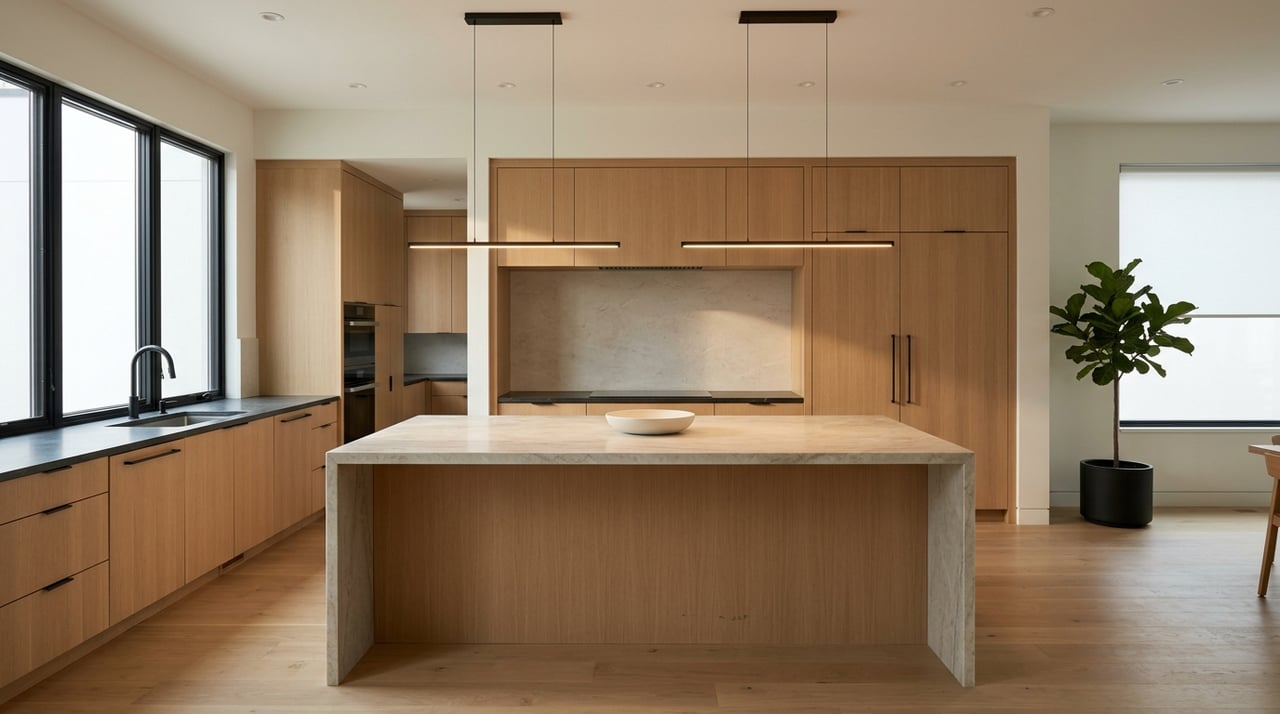
If you own a design-forward home in The Highlands, you already know the usual selling playbook may not be enough. Buyers can spot the difference between a home with real architectural character and one that simply has trendy finishes, and in a market where timing, pricing, and presentation vary by pocket, a thoughtful strategy matters. This guide will help you understand how to position a distinctive Highlands home, what prep work tends to matter most, and how to launch with clarity instead of guesswork. Let’s dive in.
The Highlands Is Not One Market
When people say “The Highlands,” they often mean several related but different areas, including Highland, West Highland, and Potter Highlands. That matters because pricing, pace, and buyer expectations can shift from one pocket to another.
Recent public market snapshots show just how much variation exists. Highland has been reported around a $1.0 million median sale price with about 25 median days on market, while West Highland has moved closer to $852,000 with around 8 median days on market, and Potter Highlands has been closer to $930,000 with a much longer 84 median days on market. The practical takeaway is simple: your pricing and launch plan should be built around your micro-market, your condition, and your style, not the neighborhood name alone.
That local nuance matters even more in a higher-rate environment. DMAR’s May 2026 market report notes that higher mortgage rates continue to sideline some buyers and sellers, while pricing, inspection negotiations, concessions, and rate buydowns are back in the conversation. In that kind of market, calm execution usually beats an overconfident launch.
Design-Forward Homes Need Clear Positioning
A design-forward home does not sell on square footage alone. It sells on how clearly you communicate the architecture, the materials, the updates, and the way the home supports daily life.
That story starts online. NAR reports that 81% of buyers rated listing photos as the most useful feature in their online search, which means your visual presentation often shapes the first impression before a showing is ever scheduled.
For a Highlands property, that means your marketing should do more than say the home is “beautiful” or “updated.” It should show and explain what makes it distinct, whether that is original millwork, a thoughtful kitchen renovation, strong natural light, indoor-outdoor flow, flexible living areas, storage, parking, or low-maintenance improvements.
In a neighborhood known for architectural variety, buyers also respond to context. Potter Highlands, for example, is known for a mix of Queen Anne, Craftsman Bungalow, Classic Cottage, Denver Square, Colonial Revival, Dutch Revival, Mission, and Prairie styles. If your home has meaningful original character or carefully chosen upgrades, that should be part of the listing narrative.
What Buyers Notice First
Most sellers ask the same question: what should I fix before listing? For a design-forward home, the answer is often less about major construction and more about making the design read clearly.
NAR’s staging report found that 29% of agents said staging increased offer value by 1% to 10%, 49% said it reduced time on market, and 83% of buyers’ agents said staging helped buyers visualize the property as a future home. The rooms most often staged were the living room, primary bedroom, dining room, and kitchen.
NAR also found that common seller prep recommendations included decluttering, cleaning, and curb appeal. In practical terms, that means simplifying the canvas so buyers can focus on architecture, scale, light, and finish quality instead of distractions.
For many Highlands sellers, the highest-impact prep often includes:
- Interior paint
- Flooring updates or refinishing
- Professional staging
- Landscaping and exterior touch-ups
- Deep cleaning
- Decluttering and storage planning
These are not flashy changes, but they often do the most to improve first impressions online and in person.
Preserve Character, Then Refine
One mistake sellers sometimes make is over-improving a home right before listing. In a design-conscious area like The Highlands, buyers often respond best when the home’s original character is preserved and the presentation feels intentional.
That is especially true if your home sits in Potter Highlands or another historically sensitive setting. Denver’s design review rules apply to properties in historic districts or designated landmarks, and visible exterior changes like windows, decks, additions, and other exterior updates may need to be checked against city standards before work begins.
The smarter approach is usually strategic presentation rather than broad renovation. Preserve what gives the home identity, make the highest-impact updates first, and confirm any compliance issues early so you do not create delays later.
Price for the Pocket, Not the Hype
Distinctive homes are often the hardest to price because they do not fit neatly into a generic formula. A design-forward home may deserve a premium, but only if the market can see, understand, and support that value.
That is why pricing should start with the specific subarea, lot, finish level, renovation quality, and overall buyer competition. A polished West Highland listing may move quickly, while a similarly priced home in Potter Highlands may need more patience and a different strategy.
In today’s market, realistic pricing is part of strong positioning, not a sign of weakness. A well-priced launch creates cleaner early feedback, better engagement, and a stronger negotiating stance than a listing that starts high and chases the market down.
Build a Calm Launch Sequence
A strong sale usually starts long before the listing goes live. For a design-forward home, the launch sequence matters because the first few days online often carry the most weight.
A useful framework is:
- Price
- Prepare
- Stage
- Photograph
- Launch
- Monitor the first week closely
That order helps you avoid a common problem: going live before the home and marketing are truly ready. NAR’s guidance on online visibility notes that the lead photo and photo order matter, and refreshing those elements can help if a listing needs renewed attention.
For sellers who want a more measured rollout, Compass also offers a phased marketing path that can include Private Exclusive, then Coming Soon, then public MLS exposure. Compass says that approach can help generate early demand and pricing insight before the full public launch, and sellers must review and sign the required disclosure before pre-marketing begins.
Using Compass Concierge Strategically
One of the biggest questions sellers ask is whether pre-listing improvements are worth the cost. For many design-forward homes, the issue is not whether updates help, but which updates are worth funding.
Compass Concierge is built for that exact conversation. Compass says the program can front the cost of services such as staging, flooring, painting, landscaping, moving and storage, and cosmetic renovations, with zero due until closing. Compass also states that payment is due when the home sells, the listing is terminated, or 12 months pass, and state-specific fees or interest may apply.
The strongest use case is usually not a full remodel. It is targeted work that improves first impression, online presentation, and buyer confidence. If the goal is to help buyers immediately understand the home’s quality and lifestyle, focused prep often delivers more value than trying to reinvent the property.
Tell the Story of How the Home Lives
A design-forward listing should not read like a checklist of finishes. It should help buyers understand how the home functions and why the design choices matter in everyday life.
That may include details like:
- How natural light moves through the home
- Whether rooms flex for office, guests, or creative space
- How outdoor areas connect to the interior
- What storage solutions exist
- Whether off-street parking or garage space adds convenience
- Which updates improve efficiency or reduce maintenance
This is where thoughtful marketing can create real separation. Buyers are not just evaluating style. They are asking whether the home supports their routines, priorities, and long-term value.
Plan for Disclosure Early
Preparation is not only about appearance. It is also about getting the paperwork and property history organized early so the process feels steady once buyers engage.
In Colorado, sellers should expect to complete the current Seller’s Property Disclosure form to the best of their current actual knowledge, using the current Commission-approved version. If your home was built before 1978, lead-based paint disclosure rules also apply, including known records and the required buyer opportunity for a paint inspection or risk assessment unless waived.
For older Highlands housing stock, this is especially important. Starting early gives you time to gather records, confirm what you know, and avoid scrambling once you are under contract.
Why Strategy Matters More Right Now
In a fast, emotional market, sellers can sometimes get away with a loose plan. In a more selective market, buyers pay closer attention to presentation, pricing discipline, and the total package.
That is why selling a design-forward home in The Highlands is rarely about one magic tactic. It is about aligning the pricing, prep, story, visuals, and launch timing so the home lands with the right buyer in the right way.
If you are thinking about selling, the best first step is usually a calm review of what makes your home special, what the local pocket is doing right now, and which improvements are likely to strengthen your result without overcomplicating the process. If you want a strategic plan built around architecture, presentation, and timing, schedule a consultation with Nick Bruce.
FAQs
What makes selling a design-forward home in The Highlands different?
- Design-forward homes often need more precise pricing, stronger visual marketing, and a clearer story about architecture, updates, and function because buyers are comparing both style and livability.
How should you price a home in The Highlands, Denver?
- You should price based on the specific pocket, recent comparable sales, condition, and renovation quality, since Highland, West Highland, and Potter Highlands can perform very differently.
Which pre-listing updates matter most for a Highlands home?
- The most common high-impact updates are usually decluttering, deep cleaning, paint, flooring, staging, landscaping, and curb appeal work that improves first impressions.
Is staging worth it for a design-forward listing in The Highlands?
- Staging can be worthwhile because NAR reports it can help buyers visualize the home, reduce time on market, and in some cases increase offer value.
What is Compass Concierge for Denver home sellers?
- Compass Concierge is a program that can front the cost of approved pre-listing services like staging, paint, flooring, landscaping, and cosmetic work, with payment typically due later under the program terms.
Do Potter Highlands sellers need to think about historic district rules?
- Yes, if your property is in a historic district or is a designated landmark, visible exterior work should be checked against Denver’s design review standards before work begins.
What disclosures should sellers expect for older Highlands homes?
- Colorado sellers should complete the current Seller’s Property Disclosure form to the best of their actual knowledge, and homes built before 1978 also require lead-based paint disclosure steps.
When should you start preparing a Highlands home for sale?
- It is usually best to start before listing so you have time to price carefully, complete strategic prep, stage, photograph, and launch with a stronger first impression.